11 November 2025
A Community Approach to Diabetes in Wester Hailes
Tagged by

Living with type 2 diabetes, or being told you’re at risk of developing it, can feel overwhelming. For many people in Wester Hailes, short GP appointments simply aren’t enough time to explore the lifestyle changes that could make a real difference.
Dr Noble, a GP at Wester Hailes Medical Practice, saw this challenge every day. She knew her patients needed more time, more guidance, and more confidence to make changes that would last. Working in partnership with The Health Agency, she offered patients a six week group course designed to give them exactly that: practical skills, clear information, and the encouragement to take control of their health.
Dr Noble also wanted to ensure that participants had the practical tools to then support them beyond the sessions themselves. Thanks to generous donations, NHS Lothian Charity was able to help by providing funding for a kitchen items “goody box” that each participant received at the end of the course. These simple tools helped ensure patients could implement their new cooking skills and recipes at home, reinforcing learning and supporting healthier habits at home.

Reaching those who would benefit most
The Practice worked closely with The Health Agency to ensure the course was accessible to those who could benefit most. Patients living with type 2 diabetes or prediabetes were invited to take part, many of whom faced barriers such as limited digital access, financial pressures, or social isolation. By offering the course in person, locally, and at no cost, the team removed common obstacles and made it easier for people to take part.
Over six months, 22 patients joined the course, receiving 24 hours of support through small group sessions held in a welcoming space within the Medical Practice. Participants booked directly with staff at The Health Agency, keeping the process simple, and helping more people feel confident about taking part.
Reflecting on the wider importance of this kind of community-based support, Dr Noble says:
In a healthcare system where health inequalities are still a stark reality, we will not find the answers to the vast majority of health problems in our consultation rooms, we will find them in the community and in projects like this. As a healthcare professional, we often give the answers we have rather than the answers our patients need, which normally is a yearly blood test and a monthly prescription. Courses like this are the seed for real lasting change, and I as a GP am so grateful that they can provide what I haven’t got capacity for, walking with our patients on a path to true and lasting change.“

The impact on patients
For the people taking part, the difference went well beyond learning new information. The course helped build confidence, motivation, and practical skills that supported real changes in everyday life.
Participants spoke about the value of learning alongside others with similar experiences. The group setting created a relaxed, supportive environment where people felt comfortable sharing ideas and asking questions, something many found easier than trying to cover lifestyle changes in a short GP appointment. As one participant put it:
I liked the group format, it’s been relaxed and I have been able to pick up tips from what other people have been doing, it’s much better than having this info given by the doctor. I feel I can be a bit more open.”
As the weeks progressed, many described positive changes to their daily habits, particularly around food. Several participants spoke about cutting back on less healthy options, with one simply saying:
I am now cutting out biscuits, crisps and takeaways.”
Practical, hands on learning helped people feel more confident about making healthier choices. Sessions on understanding food labels and cooking skills gave participants new tools they could genuinely use at home. One participant reflected,
“I found the package label session really helpful — I thought I understood labels, but now I understand them much more, which helps me make better choices.” Others shared how this learning translated into action: “I’ve learned how to incorporate more veggies into my diet. I made a veggie curry the other day, which I would never have done before, and I really enjoyed it. I’m now batch cooking soup and freezing it, which stops me going for foods that aren’t good for me.”
These simple, practical changes, like adding more vegetables to meals and batch cooking healthy options, helped people feel more in control of their diets and reduced reliance on convenience foods.
Crucially, the course also helped build a sense of confidence and agency. Several participants spoke about wanting to take control of their diabetes, improve their health, and, where possible, reduce their reliance on medication. For many, the course provided a clear and achievable starting point. “I want to control my diabetes, I want to come off my tablets, and this course is a good starting point for me,” said one participant.
This proactive, group based approach also brings wider benefits. Supporting people to manage their condition more effectively can reduce the need for GP appointments, improve long term diabetes management, and help prevent future complications. At the end of the six week course, participants were signposted to other local services and community programmes, helping them stay connected and continue the progress they had begun. Their goody box of kitchen items also ensured that they had the practical tools they needed to turn the learning into lasting habits at home.

Your support makes a difference
Thanks to Dr Noble and The Health Agency for leading the design and delivery of this transformative programme, and thanks to our supporters, whose generous donations helped ensure participants had the tools they needed to continue their progress at home.
Your support can help create opportunities for people to make positive changes that improve their health and wellbeing, now and into the future.
Find out more about how generous donations are supporting projects across NHS Lothian
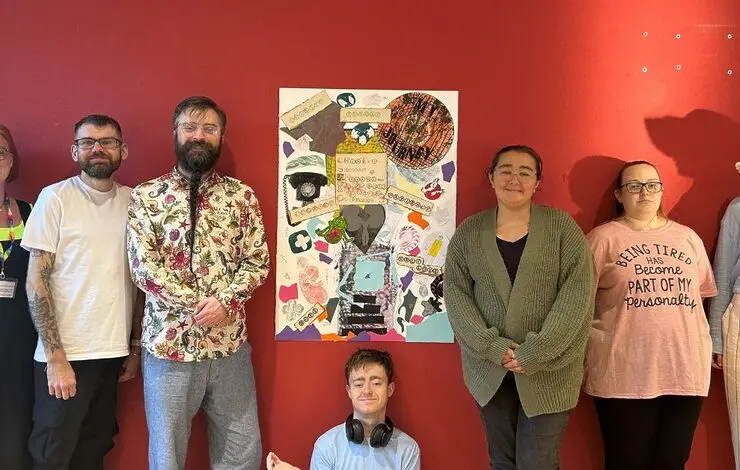
How Donors are Helping Young Adults with Chronic Kidney Disease Feel Seen, Supported and Less Alone
For young adults living with chronic kidney disease (CKD), life can feel isolating. Hospital appointments dominate everyday life, plans are interrupted by fatigue, and many struggle to explain their condition or hide it completely out of fear of being treated differently.

How Nature Resource Boxes Are Supporting Patient Recovery at the Royal Infirmary of Edinburgh
For people recovering from a stroke or living with limited mobility, the calming, restorative power of nature can feel out of their reach.

Sammy the Sloth: Helping Children Feel Safe, Confident and Connected After a Diabetes Diagnosis
A new diabetes diagnosis can feel frightening and overwhelming for children and their families. It’s a lot for young people to take in and process, especially when they don’t know anyone else living with diabetes, or with a diabetes monitor.
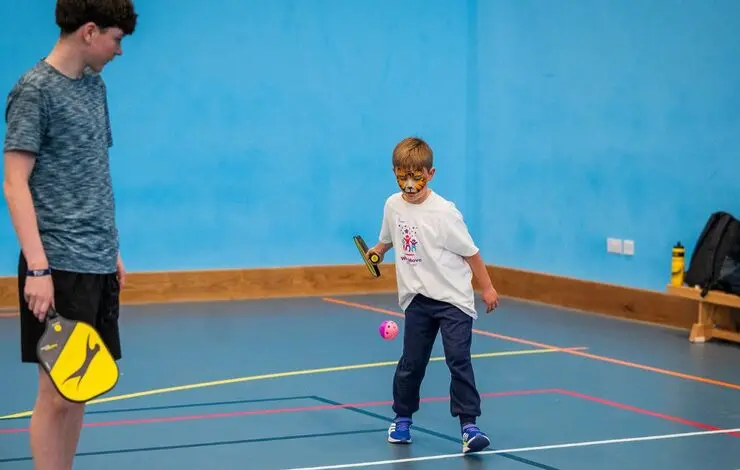
Wee Move Event: Helping Children with Cancer Rediscover Confidence, Joy and the Freedom to Play
“I definitely came home with my heart full.“
Staff from across the hospital volunteered their time because they believed in what the day represented: a reminder that childhood doesn’t stop during treatment, it simply needs space, understanding, and compassion to flourish.