4 October 2023
Helping children deal with sudden and traumatic loss
Tagged by
The Critical Care Unit at the Royal of Infirmary Edinburgh deals with sudden and traumatic deaths which can present unique challenges for providing support to children who have a parent or carer who was cared for on the ward.

The distressing circumstances of these sudden deaths can lead to increased risks of anxiety, depression, poor academic achievement, and deteriorating physical health for the children who experience such traumatic events. Typically, children receive bereavement support only six months after the loss of a significant adult, leaving them to navigate their early grief journey with limited means. Recognising that there was a gap in this area, the Critical Care team applied for funding from NHS Lothian Charity to provide bereavement boxes to support children during these times and help address some of the challenges faced.
These boxes contain carefully curated materials designed to assist children in coping with the sudden loss of a loved one due to a critical illness. The contents of the bereavement boxes were selected based on recommendations from child bereavement experts and child psychologists, ensuring that they are both age-appropriate as well as effective in helping children navigate their grief.
Each bereavement box includes the following items:
- Books: Thoughtfully selected books that provide age-appropriate explanations of grief and loss, helping children understand and process their emotions.
- Activity Journals: Personal journals that allow children to express their feelings, memories, and thoughts as they navigate their grief journey.
- Teddy Bear: A comforting teddy bear to provide emotional support and companionship during difficult times.
- Memory-Making Materials: Materials such as art supplies and memory cards to encourage children to create mementos and memories of their loved one.
Being able to provide these boxes, thanks for funding for the Charity, will make a big difference to the team in the Critical Care Unit as they support children who have experienced the sudden loss of a loved one. Gilly Fleming, a Consultant in Intensive Care Medicine, expressed her gratitude for the initiative, stating:
The boxes have turned out really well, and I really hope that they go some way to improving the bereavement experience of children who lose a loved one under our care. Big thank you to the Charity for being so supportive of this piece of service improvement work.”

The implementation of bereavement boxes in the Critical Care Unit at the Royal Infirmary of Edinburgh is just one example of how NHS Lothian staff use charitable funding to help them go above and beyond for all their patients and families, in this instance, recognising the importance of tailored support for children facing sudden and traumatic loss. By providing age-appropriate resources and materials, healthcare professionals aim to mitigate the long-term emotional and psychological impacts on these vulnerable children.
Read more about how NHS Lothian Charity is supporting the improvement of health and wellbeing across NHS Lothian
How Donors are Helping Young Adults with Chronic Kidney Disease Feel Seen, Supported and Less Alone
For young adults living with chronic kidney disease (CKD), life can feel isolating. Hospital appointments dominate everyday life, plans are interrupted by fatigue, and many struggle to explain their condition or hide it completely out of fear of being treated differently.

How Nature Resource Boxes Are Supporting Patient Recovery at the Royal Infirmary of Edinburgh
For people recovering from a stroke or living with limited mobility, the calming, restorative power of nature can feel out of their reach.

Sammy the Sloth: Helping Children Feel Safe, Confident and Connected After a Diabetes Diagnosis
A new diabetes diagnosis can feel frightening and overwhelming for children and their families. It’s a lot for young people to take in and process, especially when they don’t know anyone else living with diabetes, or with a diabetes monitor.
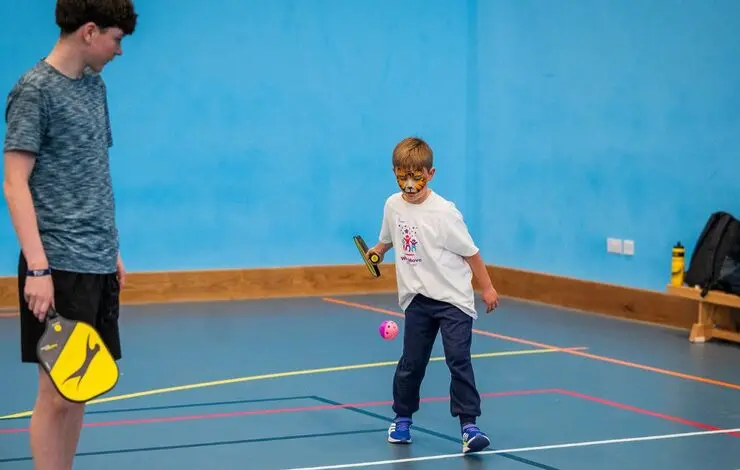
Wee Move Event: Helping Children with Cancer Rediscover Confidence, Joy and the Freedom to Play
“I definitely came home with my heart full.“
Staff from across the hospital volunteered their time because they believed in what the day represented: a reminder that childhood doesn’t stop during treatment, it simply needs space, understanding, and compassion to flourish.
