16 June 2025
Personalising Radiotherapy Treatment to Improve Quality of Life
Tagged by
What if life-saving cancer treatment could be precisely tailored to you, dramatically reducing side effects and improving your quality of life? This isn’t a pipedream; this is the focus of groundbreaking research Professor Duncan McLaren and his dedicated team are working on at the Edinburgh Cancer Centre. And we’re proud to be supporting this thanks to the generosity of people like you.
Radiotherapy is a powerful tool against prostate cancer, but currently, radiotherapy often involves each patient receiving a standard dose that is designed to be effective for a wide range of people. But we know that every person, every cancer, and every individual’s response to treatment is different. This means that while the standard dose works for many, some might experience tough side effects, while others could potentially benefit from an even stronger, more targeted approach.
That’s why Professor Duncan McLaren, a Consultant Clinical Oncologist specialising in Urology, and his dedicated team are pioneering a revolutionary approach. Their work aims to constantly monitor how a patient’s body and tumour are responding to radiotherapy during treatment.

As Professor McLaren explains: “If we can measure how the individual patient is actually responding to their radiotherapy early in the course of that treatment, then we can potentially adjust the radiotherapy dose up or down to the tumour and surrounding normal tissue.”
This real-time feedback will help ensure maximum effectiveness against the cancer while protecting healthy tissues and therefore significantly reducing the risk of long-term side effects that can impact quality of life.
Professor McLaren continues: “We aim to provide a way to do this through the analysis of treatment related images, analysis of breath samples and, perhaps the most exciting of them all, measurement of fragments of dead tissue called cell free DNA in the blood. In conjunction with Professor Aitman in the Institute of Genetics of Cancer, we have developed a test that can identify the origin of this tissue based on these tiny fragments of DNA released by cells as they die after the radiotherapy. At the same time as collecting the samples, we are recording the patient’s toxicity scores in terms of bowel and bladder side effects, and also measuring how the tumour is responding. If we see a large increase in cell free DNA from the bladder or bowel tissues early in their treatment, we can reduce the dose to these tissues before significant side effects kick in. Similarly, if the bowel and rectum look ok via cell free DNA, we can then safely increase the radiotherapy dose to the cancer to improve cure rates without increasing side effects.
“The ability to adjust radiotherapy doses to personalise the patient’s treatment will be transformational for patients.”
Revolutionising Radiotherapy Across All Cancers
The outcomes of this groundbreaking study will not only benefit patients receiving prostate radiotherapy. The ability to identify the origin of healthy tissue DNA fragments opens the door to categorising all tissues in the body. This means that ultimately, this personalised radiotherapy approach could benefit any patient receiving radiotherapy for any type of cancer.
The Power of Your Support
This ongoing research and pioneering innovation can only be achieved with your support. You can help us invest in a future where cancer treatment is more effective, more personalised, and has a gentler impact on patients’ lives.
How your support is making a difference
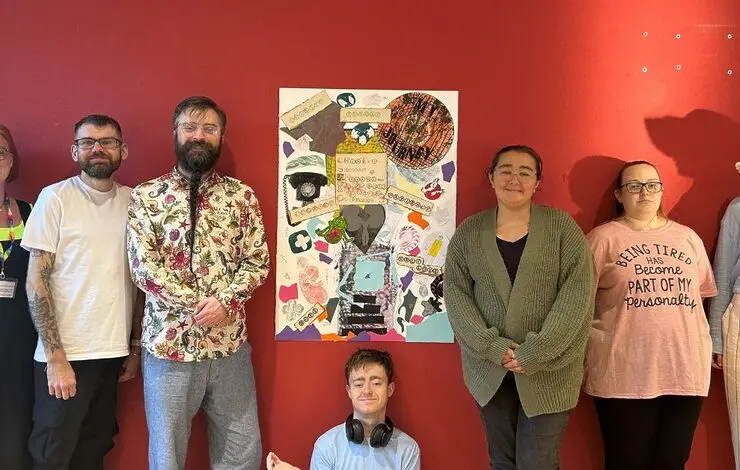
How Donors are Helping Young Adults with Chronic Kidney Disease Feel Seen, Supported and Less Alone
For young adults living with chronic kidney disease (CKD), life can feel isolating. Hospital appointments dominate everyday life, plans are interrupted by fatigue, and many struggle to explain their condition or hide it completely out of fear of being treated differently.

How Nature Resource Boxes Are Supporting Patient Recovery at the Royal Infirmary of Edinburgh
For people recovering from a stroke or living with limited mobility, the calming, restorative power of nature can feel out of their reach.

Sammy the Sloth: Helping Children Feel Safe, Confident and Connected After a Diabetes Diagnosis
A new diabetes diagnosis can feel frightening and overwhelming for children and their families. It’s a lot for young people to take in and process, especially when they don’t know anyone else living with diabetes, or with a diabetes monitor.
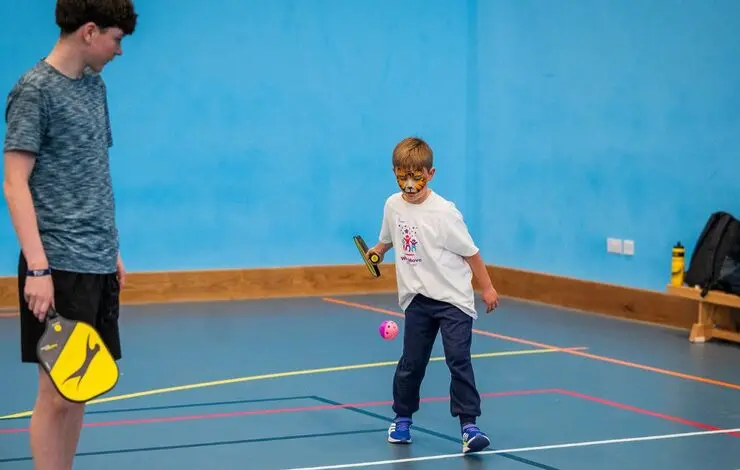
Wee Move Event: Helping Children with Cancer Rediscover Confidence, Joy and the Freedom to Play
“I definitely came home with my heart full.“
Staff from across the hospital volunteered their time because they believed in what the day represented: a reminder that childhood doesn’t stop during treatment, it simply needs space, understanding, and compassion to flourish.