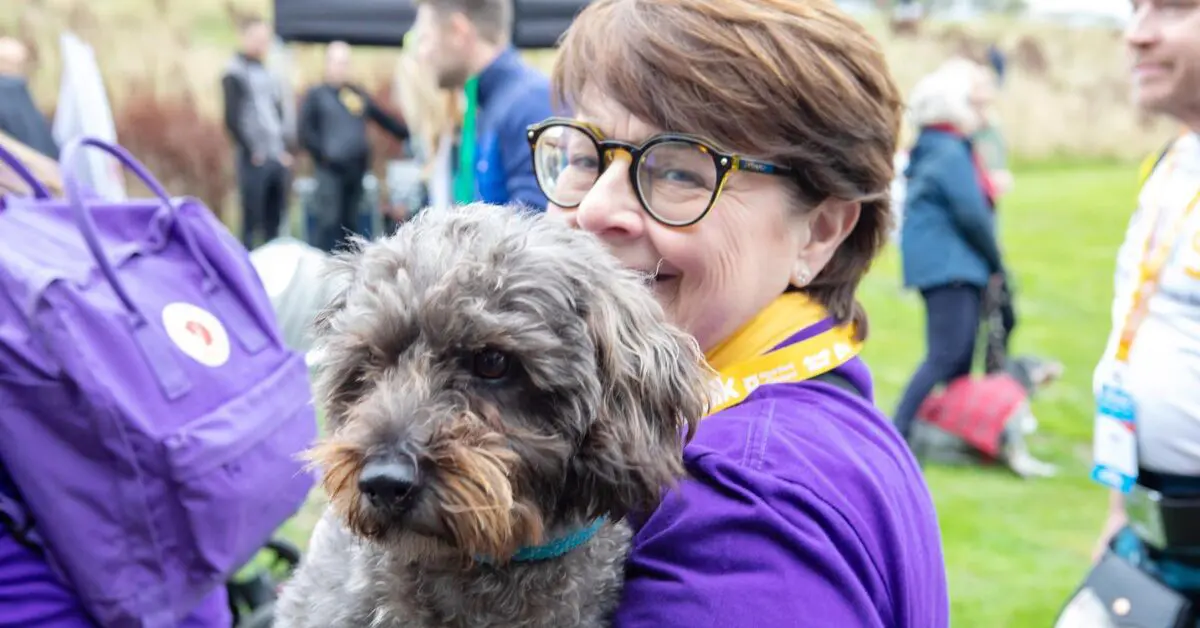
Walk 100 Miles in June
Get your free fundraising pack
Ready to challenge yourself this June and walk 100 miles? We’ve got you covered. Download your FREE fundraising pack and join us in supporting our NHS staff as they take strides for patient care.
Tips for Getting Started
To help you prepare for your 100-mile journey, here are some useful tips to get you started:
- Plan Your Routes: Map out your walking routes in advance and explore new areas.
- Stay Hydrated: Carry a water bottle and drink plenty of water throughout the day.
- Wear Comfortable Shoes: Choose supportive footwear to prevent blisters and discomfort.
- Set Realistic Goals: Break down your 100-mile target into smaller, achievable daily or weekly goals.
- Set up your JustGiving page: Personalise your JustGiving page, share updates on social media, ask for match funding from your employer.
- Connect Strava: Link your Strava account to your JustGiving page to show your progress. Tracking miles can help keep you motivated and engaged.
- Stay Safe: Be aware of your surroundings and walk in well-lit areas, especially in the evenings.
You can also download a copy of our Tips for Getting Started and put it somewhere are a reminder of how to make the most of your challenge.


Plan Your Miles
Taking on a 100-mile walking challenge can feel daunting, but with a little planning, you can make it manageable and enjoyable. Using our calendar to map out your miles, it’s a fantastic way to stay organised and ensure you reach your goal. Here’s how:
- Print out our calendar: This will be your visual roadmap that you can tick off as you go to make sure you’re on track.
- Calculate Your Daily Average: Divide 100 miles by 30 days (the number of days in June). This gives you an average of approximately 3.33 miles per day.
- Think about your lifestyle and existing commitments: Identify busy and quiet days and adjust your mileage accordingly, scheduling longer walks on quiet days to make up for shorter ones on busy days.
- Factor in Rest Days: Don’t forget to schedule rest days! Your body needs time to recover, and it’s essential for preventing injury. Plan for at least 1-2 rest days per week.
- Track Your Progress: As you complete your walks, mark them off on your calendar. This will give you a sense of accomplishment and help you stay motivated.
Remember, be flexible and be kind to yourself: Life happens! If you miss a day or walk fewer miles than planned, don’t panic. Simply adjust your plan for the following days.

It’s never too early to set up your fundraising page and start to raise money!
Find out how generous donations from our supporters have helped to make a difference for patients and families:

From the lab to the start line: Why Charlene’s chose to run the EMF 10K and support NHS Lothian Charity’s Breast Cancer Institute Fund
When Charlene lined up for the EMF 10K, it wasn’t just about running for the finish line. She was running for the work that’s shaped her life – and the people it’s there to help.

Running for my dad: why I took on the Edinburgh Marathon
When Alexander Ferguson signed up for the Edinburgh Marathon, it was more than a challenge, it was something more personal.

Helping Unlock Important Financial Support When Circumstances Change Due to Ill Health
Our hospital-based advice service has now helped secure over £5 million in financial support through benefits and other social security entitlements for patients, carers and staff.
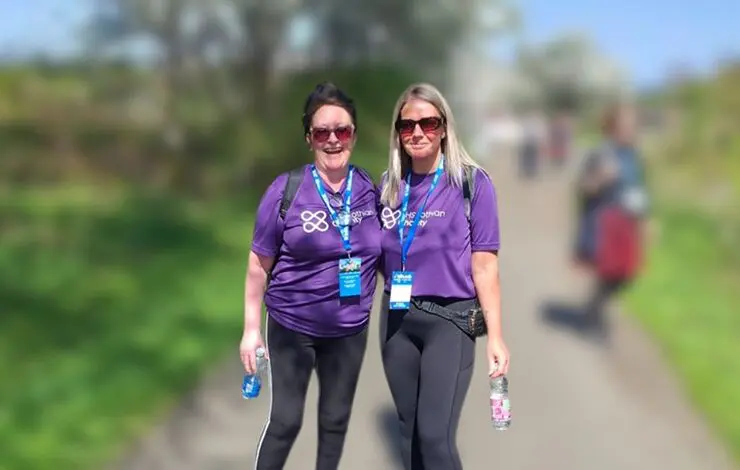
Why I Walked the Kiltwalk: A Thank You From the Heart
Over the past few years, the NHS has been there for my family again and again. When life felt frightening and uncertain, they were the constant that held us together. Walking the Kiltwalk with my Aunt Bev was not just a challenge. It was our way of saying thank you.