22 June 2026
Running for my dad: why I took on the Edinburgh Marathon
Tagged by

When Alexander Ferguson signed up for the Edinburgh Marathon, it was more than a challenge, it was something more personal.
Last year, his dad was diagnosed with a brain tumour. Alexander recalls: “It was shock and worry at first. You never really prepare yourself for that kind of news, and in the moment everything else is put on hold.”
What followed was an incredibly difficult time for the whole family, filled with uncertainty and worry. “The hardest moments were during and after the surgery. Sitting bedside, wondering if he would make a full recovery, and would life feel normal again.”
Thanks to a procedure made possible by innovative technology supported by NHS Lothian Charity and the expertise of NHS Lothian teams, the surgery was a success – though confirmation didn’t come straight away.
Due to the nature of the surgery, it took weeks and months for the outcome to be confirmed. As it became apparent that the surgery was a success, I felt a growing sense of relief and a deep sense of pride. From diagnosis to surgery, everything happened incredibly suddenly. This was not only physically challenging for my dad, but also mentally and emotionally. He took every day in his stride on his way to coming out the other side. Throughout his dad’s time in hospital, the family felt fully supported.
“As a family, we couldn’t have asked for more from those who cared for my dad during his time at the Royal Infirmary. From the understanding, empathy and experience of the hospital staff and nurses to the skill and expertise of the surgical team involved, he was made to feel comfortable and reassured during his entire visit. This made life for us as a family a great deal easier during a time of uncertainty.”
Today, just over a year on, his dad is continuing to make progress. “My dad has made a remarkable recovery, and just today, a little over a year on from surgery, he was able to get back on the saddle of his pedal bike. As he puts it, he’s getting used to the “new normal”. I would say this speaks to his resilience throughout and marks a particularly defining moment.”
Wanting to give back to those who saved his dad’s life, Alexander took on the marathon at the Edinburgh Marathon Festival, raising money so more patients can benefit from life-saving innovations like the technology that made his dad’s surgery possible.

I decided to take on the Edinburgh Marathon on behalf of NHS Lothian Charity as it brought purpose to the challenge. I knew it would be a great opportunity to raise funds for such a great and meaningful cause, and ultimately express my sincerest thanks.”
It was his first ever marathon, and no small undertaking. But when the training got tough – and even on race day in the sweltering heat – he remembered why he was running:
I would think of the times we were sat with my dad in hospital, uncertain as to what the future held for us as a family. This short period of pain running in the heat was nothing compared to what my dad had endured in the past year. Not a moment of good health or life can be taken for granted.”
On race day, all the training paid off. With every mile, he was motivated by gratitude for his dad’s recovery and the support his family received. He raised an incredible £2,040.50; smashing his original £1,000 target.
I hope that by raising money, more families will get good news like we did. Knowing I’ve raised a good amount of money for NHS Lothian Charity amplifies the sense of achievement well beyond that finisher’s medal.”

His story shows the difference that fundraising can make, not just for patients but for the families who stand beside them.
The kind of research and innovation that supported Alexander’s dad’s surgery is now helping neurosurgeons across NHS Lothian to perform safer, more effective procedures and save more lives.
At the Royal Infirmary of Edinburgh, donation-funded Brainlab software allows neurosurgeons to merge scans and create detailed, colour-coded 3D maps of the brain – showing critical structures like nerve pathways and blood vessels. This gives surgical teams a much clearer understanding of complex anatomy before and during an operation, helping them plan with greater precision and carry our surgery more safely.
As consultant neurosurgeon Mr Anthony Wiggins explains:
One of the problems with brain surgery is that the anatomy can be very complex. We can see things clearly on a scan beforehand, but when it comes to operating under the microscope, distinguishing different structures can be more difficult. The Brainlab software improves the extent of how much we can do and increases safety by allowing us to do only what is needed without causing more problems…
“When I’m in surgery, as well as seeing everything through the microscope, I can overlay the 3D model and I know exactly where to go.”
In practice, this means neurosurgeons can operate more confidently in hard-to-reach areas of the brain, reducing the risk of complications such as stroke or long-term damage – and improving outcomes for patients undergoing surgery like the one Alexander’s dad received.
Inspired to take on the challenge?
Join us for the Edinburgh Marathon Festival 2027 and support the people, research and innovation that save lives every day.
Find out more about how generous donations are supporting projects across NHS Lothian

Helping Unlock Important Financial Support When Circumstances Change Due to Ill Health
Our hospital-based advice service has now helped secure over £5 million in financial support through benefits and other social security entitlements for patients, carers and staff.
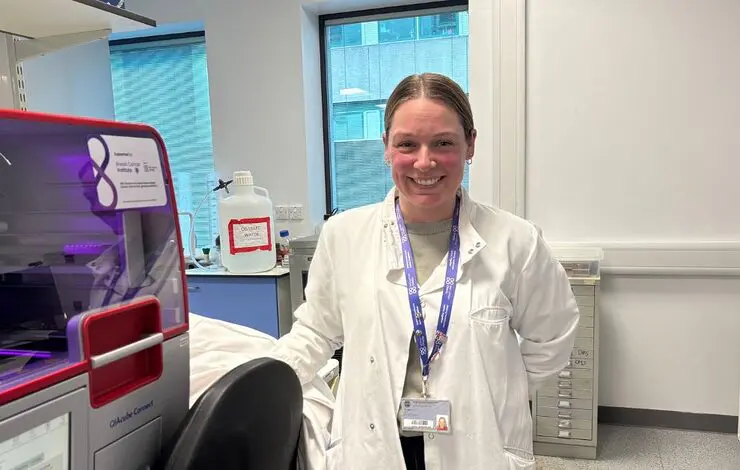
From Diagnosis to Discovery: How Your Support Is Changing Breast Cancer Care
Every day at the Edinburgh Cancer Centre, life-changing conversations take place. The Breast Unit at the Centre is the largest and busiest in the UK, with around 840 people diagnosed with breast cancer each year. For nearly one in three patients, the cancer has already spread or returned.
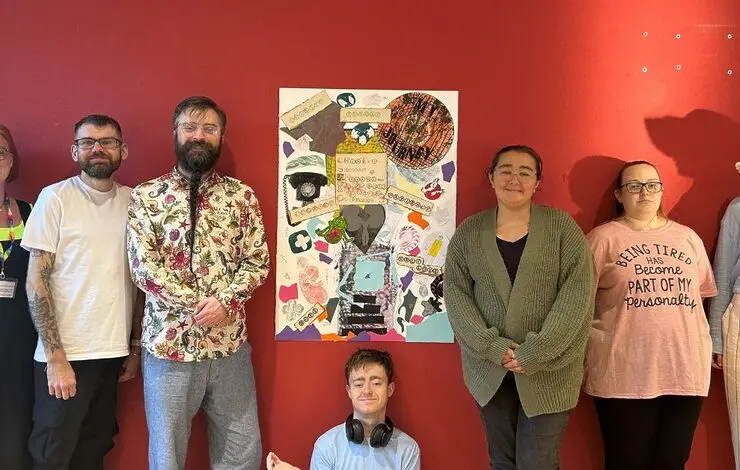
How Donors are Helping Young Adults with Chronic Kidney Disease Feel Seen, Supported and Less Alone
For young adults living with chronic kidney disease (CKD), life can feel isolating. Hospital appointments dominate everyday life, plans are interrupted by fatigue, and many struggle to explain their condition or hide it completely out of fear of being treated differently.

How Nature Resource Boxes Are Supporting Patient Recovery at the Royal Infirmary of Edinburgh
For people recovering from a stroke or living with limited mobility, the calming, restorative power of nature can feel out of their reach.
Upcoming Events
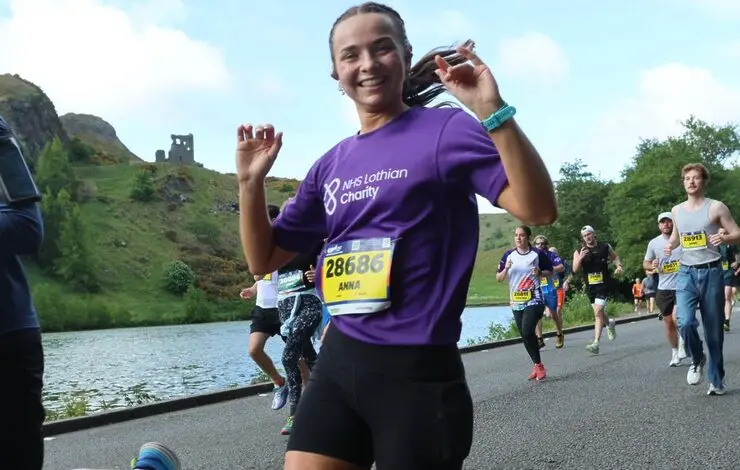
Edinburgh Marathon Festival 2027
Run the 2027 Edinburgh Marathon Festival and support life-saving projects across NHS Lothian. Take advantage of our heavily discounted charity places and secure your spot today.

TCS London Marathon 2027
Use your own ballot place or apply for one of our charity places and take on the challenge of a lifetime! Run the TCS London Marathon, to bring comfort to patients and support life-saving projects.

The National ‘Elf Service Day 2026
Dress up. Have fun. Support NHS patients and staff. The National ‘Elf Service Day is BACK! Claim your FREE elf […]
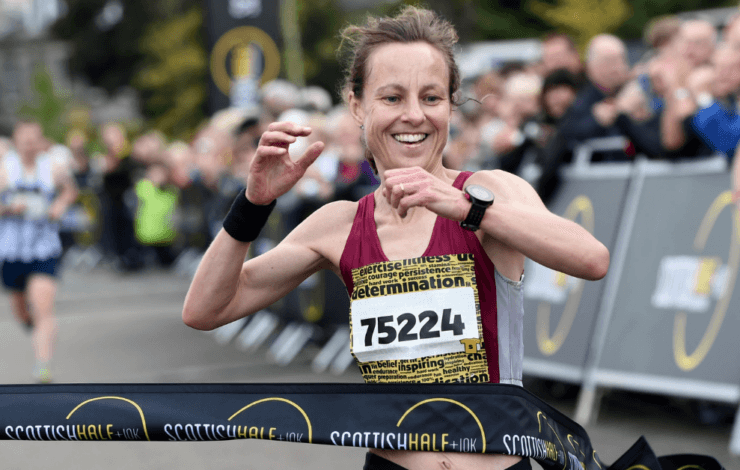
Scottish Half and Scottish 10K
Take on a running challenge in East Lothian Join our team of Charity Champions at the Scottish Half Marathon and […]