18 March 2024
Elevating care for patients with neurological conditions or weak leg muscles
Tagged by

NHS Lothian Charity has supported physiotherapists at the Astley Ainsley Hospital with the acquisition of an Electric Arjo Walker, a sit-to-stand machine.
The machine is an upgrade in its functionality and ease of use. The previous version of the machine relied on manual pumping by staff members, resulting in a jolting experience for patients as they transitioned to an upright position with a walking frame. However, the new electronic version offers a seamless and comfortable experience. Patients with neurological conditions or weak leg muscles, such as those recovering from strokes or brain injuries, benefit greatly from this innovation during their early stages of rehabilitation.
The machine features a pulpit design, allowing patients to distribute weight through their upper arms while providing soft and supportive cushioning. Its electric assistance facilitates the sit-to-stand movement, making it easier for patients who struggle with this transition. Moreover, the machine significantly reduces the strain on staff members involved in manual handling.
Shelley, NHS Lothian Staff memberIt’s something we use most days. I knew this would be a much smoother transition for patients, improving their experience and modernising our treatment and equipment. We are a rehabilitation unit and it helps us to keep up to date and provide the best possible care.”
With a team of 10 physiotherapists using the equipment, it supports staff in ensuring the best possible outcome and care for their patients.

Do you have an idea to improve patient care?
Up to £5,000 is available through our Small Grants programme to support NHS Lothian staff take forward projects that demonstrate a clear benefit to NHS Lothian patients.
Find out how others have used charity funding to support patient care

Helping Unlock Important Financial Support When Circumstances Change Due to Ill Health
Our hospital-based advice service has now helped secure over £5 million in financial support through benefits and other social security entitlements for patients, carers and staff.
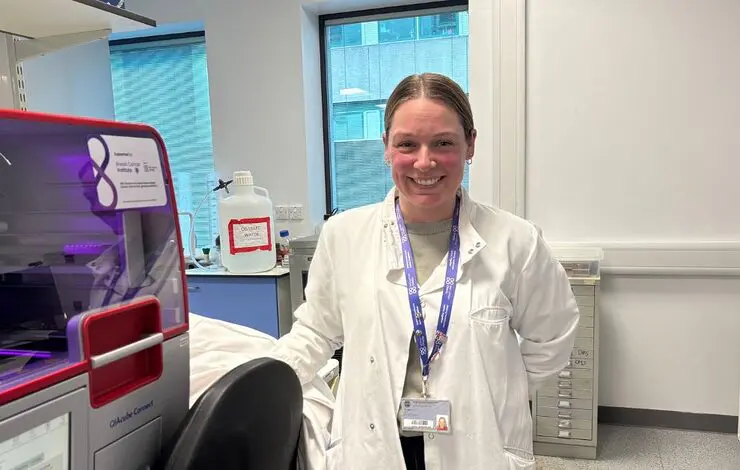
From Diagnosis to Discovery: How Your Support Is Changing Breast Cancer Care
Every day at the Edinburgh Cancer Centre, life-changing conversations take place. The Breast Unit at the Centre is the largest and busiest in the UK, with around 840 people diagnosed with breast cancer each year. For nearly one in three patients, the cancer has already spread or returned.
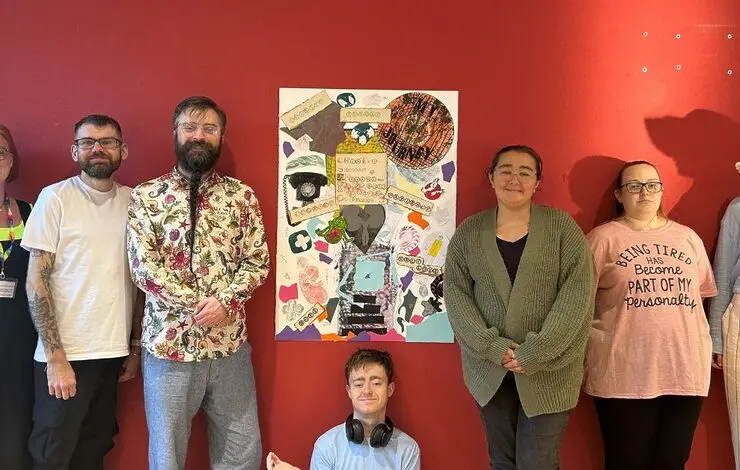
How Donors are Helping Young Adults with Chronic Kidney Disease Feel Seen, Supported and Less Alone
For young adults living with chronic kidney disease (CKD), life can feel isolating. Hospital appointments dominate everyday life, plans are interrupted by fatigue, and many struggle to explain their condition or hide it completely out of fear of being treated differently.

How Nature Resource Boxes Are Supporting Patient Recovery at the Royal Infirmary of Edinburgh
For people recovering from a stroke or living with limited mobility, the calming, restorative power of nature can feel out of their reach.
